
Simple Habits That Make a Big Difference
Your pet eats and drinks from the same dishes every single day. The question is… would you?
“An ounce of prevention is worth a pound of cure.” It’s an old saying because it’s true.
Veterinarians know that many health problems are easier to prevent than they are to treat. While not every upset stomach or picky eater is caused by food storage or dirty water bowls, creating a cleaner feeding environment helps reduce unnecessary exposure to bacteria and helps keep your pet’s food and water as fresh and nutritious as possible.
Many of the healthiest habits don’t require another medication, supplement, or expensive gadget.
They simply require paying attention to the little things we do every day.
We invest in quality food.
We schedule veterinary checkups.
We buy the best toys, beds, and treats we can afford.
But some of the biggest opportunities to protect our pets’ health aren’t expensive at all—they’re found in the everyday habits surrounding their food and water.
Think about your own kitchen.
You wouldn’t eat off the same plate every day without washing it.
You wouldn’t leave food sitting open on the counter for weeks.
And you certainly wouldn’t drink from a glass with a slimy film coating the inside.
Our pets can’t choose a clean bowl.
They can’t tell us their food has gone stale.
They trust us to notice.
And that’s one of the greatest responsibilities we have as the people who love them.
It Isn’t About Being a Bad Pet Parent
With nearly two decades of caring for our clients’ furkids—and even longer caring for our own—we’ve learned that appearances aren’t always all they’re cracked up to be.
One of the most common things we notice during our visits is that slippery film inside a pet’s water bowl.
It didn’t form because someone wasn’t caring for their furkid.
In fact, quite the opposite.
Most loving pet parents simply don’t realize how quickly biofilm can develop—or that even after a good wash with soap and water, a thin layer can sometimes remain.
The good news?
Preventing and removing biofilm is simple.
With a little routine cleaning and a weekly deep cleaning, you can help ensure your furkid always has access to fresh, clean water and a healthier place to drink.
Fresh Water Starts with a Clean Bowl
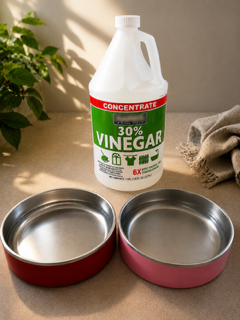
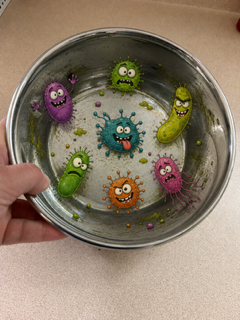
Every time your dog or cat takes a drink, they leave behind tiny amounts of saliva, food particles, and naturally occurring bacteria. Over time, these combine to form something called biofilm—that slippery, slimy coating you sometimes feel on the inside of the bowl.
Biofilm isn’t just unpleasant.
It creates an environment where bacteria can thrive. While many healthy pets tolerate small amounts of bacteria, continually drinking from a bowl coated in biofilm can contribute to digestive upset and may be especially concerning for puppies, kittens, senior pets, or pets with weakened immune systems.
If your pet suddenly seems less interested in drinking, don’t overlook the bowl itself. Sometimes all they need is a fresh start.
Keep Water Bowls Fresh
Wash your pet’s water bowl every day with hot, soapy water. A little elbow grease goes a long way in removing biofilm before it has a chance to build up.Replace the water with fresh, clean water every day.Once each week, give the bowl a deeper cleaning with white vinegar to help loosen stubborn biofilm and dissolve mineral deposits. After soaking, scrub the bowl thoroughly with hot, soapy water, then rinse well before refilling.
A quick note about vinegar: Most white vinegar sold in grocery stores contains 5% acetic acid, while cleaning vinegar is typically 6%. Both work well for routine cleaning. If you’re like me and prefer the heavy-duty stuff, industrial-strength white vinegar is also available in concentrations up to 30% acetic acid. It can be incredibly effective, but because it is much more concentrated, wear gloves when handling it, avoid contact with your eyes and skin, and always rinse bowls thoroughly with clean water before putting them back into service. Regardless of which concentration you use, remember that vinegar is a cleaning aid—not a substitute for scrubbing. The real key to removing biofilm is physically scrubbing the bowl with hot, soapy water.
Whether you’re using 5%, 6%, or a stronger cleaning vinegar, the same principle applies: soak first, scrub, rinse thoroughly, and never leave vinegar residue behind. A clean fountain isn’t just about clearer water—it’s about creating a healthier drinking environment for your furkids.
Are Large Gravity Waterers Really Helping?
Large gravity-fed water dispensers that hold three to five gallons certainly have their place—especially in homes with multiple pets.
The important question isn’t how much water they hold.
It’s how quickly your pets drink it.
If your household goes through the reservoir every day, those dispensers can work wonderfully.
But if that same water sits for several days, convenience can begin working against you.
Standing water, combined with saliva, dust, food particles, and naturally occurring bacteria introduced every time your pet takes a drink, creates an ideal environment for biofilm to develop. Many gravity waterers also have plastic reservoirs, narrow necks, and hidden surfaces that are difficult to inspect and easy to overlook during routine cleaning.
A simple rule of thumb is to match the size of the water dispenser to the size of your pack.
If your pets aren’t emptying the reservoir within about 24 hours, consider filling it with less water or switching to a smaller dispenser.
Fresh water is always healthier than stale water.
Don’t Forget Pet Water Fountains
Many dogs, cats, birds, and even reptiles—like our sweet chameleons—naturally prefer moving water. That’s one of the reasons fountains have become so popular. They encourage many pets to drink more, helping support healthy hydration.
But moving water isn’t self-cleaning.
Just like a regular water bowl, fountains collect saliva, food particles, dust, and bacteria. Because they contain plastic reservoirs, tubing, pumps, and filters, biofilm often develops in places you can’t even see.
That slippery layer can coat the inside of the tubing, the pump housing, and hidden corners long before it becomes visible.
To Keep Pet Water Fountains Healthy
- Empty and refill them every couple of days.
- Wash all accessible parts with hot, soapy water, paying special attention to areas where biofilm can accumulate.
- Once a week, deep clean the fountain with white vinegar to help loosen stubborn biofilm and dissolve mineral deposits before scrubbing all surfaces thoroughly.
- Clean the pump according to the manufacturer’s instructions—it is often the most forgotten part of the entire fountain.
- Replace filters according to the manufacturer’s recommendations.
- Rinse every component thoroughly before putting the fountain back into service.
A fountain can be one of the best ways to encourage your pets to stay hydrated.
It simply needs the same level of attention as any other drinking source.
Fresh Food Matters Too
Water isn’t the only thing that deserves our attention.
The way we store our pets’ food plays a huge role in preserving its freshness and nutritional value.
One of the biggest misconceptions is that pouring kibble directly into a large plastic storage container is the best way to keep it fresh.
It certainly looks neat.
It’s convenient.
But it isn’t the best option.
Why Proper Food Storage Matters
The healthy fats and oils that make kibble nutritious are also the first nutrients to begin breaking down after the bag is opened.
As food is repeatedly exposed to oxygen, heat, light, and moisture, those fats slowly oxidize.
Eventually, they become rancid.
That doesn’t just affect smell and taste.
It also reduces the nutritional quality of the food over time, and many pets begin turning their noses up simply because it no longer smells fresh.
Even more importantly, the oils from kibble begin coating the inside of the storage container itself. Unless the container is thoroughly washed between every bag of food, those leftover oils continue to oxidize and can affect every new bag that follows.
The Better Way to Store Kibble
Instead of pouring food directly into the storage container:
- Leave the kibble in its original bag.
- Roll the bag tightly closed after every feeding.
- Place the entire bag inside an airtight storage container.
- Store it in a cool, dry location away from direct sunlight.
The original bag was specifically designed to help protect the food from oxygen, moisture, and light while also preserving lot numbers and expiration dates should they ever be needed.
Bigger Isn’t Always Better
Those giant bags often seem like the most economical purchase.
But if your dog takes several months to finish one bag, the food is gradually losing freshness every day after it’s opened.
Whenever practical, consider buying a bag your pet can finish more quickly.
Yes, it may cost a little more per pound.
But you’ll be feeding fresher food, preserving more nutrients, and often throwing away less stale kibble in the long run.
Sometimes spending a little more today can save waste tomorrow while giving your pet healthier meals every single day.
The Most Forgotten Item: The Food Scoop
Here’s one item almost everyone forgets.
The food scoop.
Whether it’s plastic or stainless steel, every scoop comes into contact with the natural oils found on kibble.
If that scoop lives inside the food bag or storage container for weeks at a time, those oils build up and eventually become rancid as well.
Wash the scoop daily with hot, soapy water, just as you would any utensil your own family eats with.
If you store the scoop with the food, make sure it’s completely dry before putting it back.
One Last Place Bacteria Loves to Hide
Don’t forget the feeding station itself.
Food crumbs.
Drool.
Splashed water.
Tiny bits of kibble.
They all collect on feeding mats and around bowls every single day.
Left alone, they become another place for bacteria, mold, and biofilm to grow.
Wash feeding mats regularly with hot, soapy water. If they’re dishwasher-safe, even better.
It’s one more simple habit that helps create a cleaner, healthier dining area for your furkids.
It Isn’t About Perfection
Before you head to the sink and start scrubbing everything in sight, remember this:
Biofilm forms naturally.
It doesn’t mean you’ve failed your pet.
It doesn’t mean your home is dirty.
It’s simply something that develops whenever moisture, saliva, and naturally occurring bacteria have time to accumulate.
The goal isn’t perfection.
The goal is building simple habits that keep those little buildups from becoming bigger problems.
A clean bowl today.
Fresh water tomorrow.
Properly stored food all week long.
Those small acts, repeated consistently, are some of the easiest ways we can help support our furkids’ health for years to come.
Small Habits. Big Benefits.
Exceptional pet care isn’t usually about doing one extraordinary thing.
It’s about consistently doing dozens of ordinary things well.
A clean bowl.
Fresh water.
A properly maintained fountain.
Thoughtfully stored food.
A clean food scoop.
A washed feeding mat.
Individually, they may seem like small details.
Together, they help create a healthier environment for the animals we love most.
At Always With Love Pet Care, we’ve learned that exceptional care isn’t flashy.
It’s thoughtful.
It’s consistent.
It’s paying attention to the little things because our furkids are counting on us to notice what they can’t.
After all, they trust us with every meal…
Every drink…
Every single day.
They don’t get to choose how fresh their food is.
They don’t get to choose how clean their water is.
They trust us to make those choices for them.
Because our furkids would do anything for us.
The least we can do is give them the freshest food and the cleanest water possible.
Love isn’t just shown through belly rubs, treats, and long walks.
Sometimes, love is as simple as washing the bowl.
