
There was a time when pet care was pretty simple.
Thirty or forty years ago, if you were heading out of town, you probably handed a spare key to a neighbor, asked a family member to stop by, or had a friend care for your dog while you were away. It was a system built on trust, and for many families, it worked wonderfully.
Back then, our expectations were different too. Most pets needed food, fresh water, a walk around the block, and a little love until their family returned home.
Fast forward to today, and the world of pet care looks very different.
Veterinary medicine has made incredible advances, allowing our dogs and cats to live longer, healthier lives. Many pets are now living well into their senior years, managing conditions like diabetes, kidney disease, heart disease, arthritis, thyroid disorders, and even cancer. With those longer lives often comes a need for medications, specialized diets, mobility assistance, and caregivers who know what subtle changes to watch for.
At the same time, our relationship with our pets has evolved. They’re no longer “just pets.” They’re family. We celebrate their birthdays, include them in our family photos, and rearrange our schedules around making sure they’re happy and healthy. Naturally, our expectations for their care while we’re away have evolved as well.
As the needs of our furkids have changed, so has the pet care industry. Today, pet parents can choose from friends and family, boarding facilities, daycare centers, independent pet sitters, online platforms, and professional pet care companies. Each offers something different, and each has situations where it may be the perfect fit.
The purpose of this article isn’t to tell you there’s only one right way to care for your pet.
It’s to help you understand how pet care has evolved, what each option offers, and the questions worth asking before entrusting someone with a member of your family.
Because none of these choices are inherently right or wrong. The best option depends on your pet’s personality, health, routine, and your family’s unique needs.
Option 1: Friends, Family & Neighbors
For generations, this was the gold standard of pet care. We started here ourselves until our own pets care became more complex than we felt was appropriate to “put on” the neighbors.
You asked your neighbor to stop by after work. A family member came over to feed the cat. Maybe your dog stayed with your parents or your best friend while you were away. In many households, these arrangements became a tradition built on trust, friendship, and helping one another.
For many pets, this can still be an excellent option.
One of the biggest advantages is cost. Often, little or no money changes hands. Families trade favors, neighbors help one another during vacations, or friends take turns caring for each other’s furkids. Your pet may already know and trust the person caring for them, making the transition less stressful than meeting someone new.
For healthy, easygoing pets with simple routines, this arrangement can work very well.
Like any type of pet care, however, there are challenges to consider.
Life happens.
Your neighbor may become sick. A family emergency could arise. A child needs to be picked up unexpectedly. A car breaks down. When the person caring for your pet is doing you a favor, there often isn’t a backup plan if they suddenly can’t make it.
Another challenge is that caring for pets has become much more specialized than it once was.
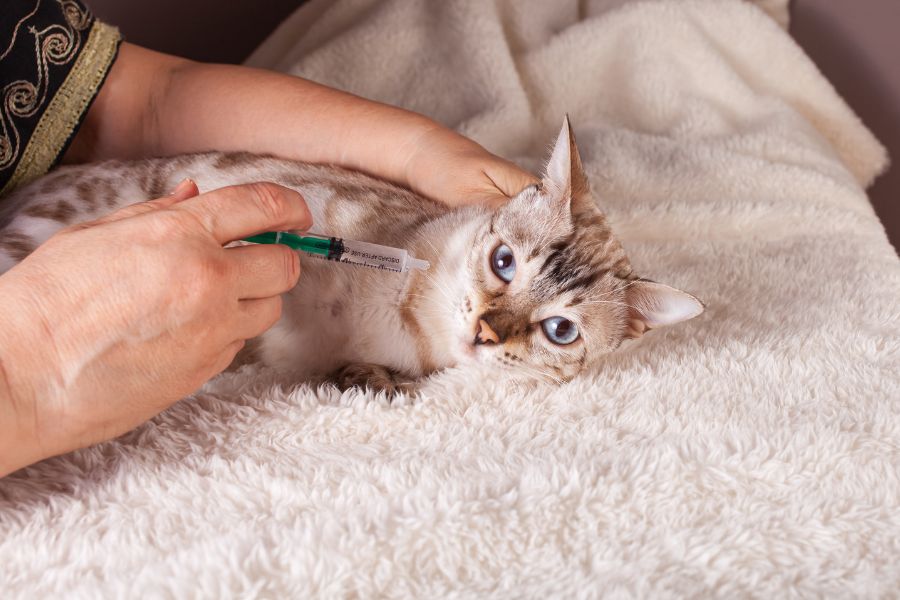
Many of today’s dogs and cats require medications several times a day, insulin injections, eye drops, inhalers, prescription diets, mobility assistance, or careful monitoring of chronic medical conditions. While many friends and family members are more than willing to help, not everyone has the experience or confidence to provide that level of care.
Perhaps the biggest difference comes down to observation.
We know our own pets.
We notice when they drink a little less water than yesterday.
We notice when they hesitate before jumping onto the couch.
We notice when our cat spends a little longer in the litter box than usual.
Someone who only sees your pet a few times each year may not recognize those subtle changes because they don’t have the same frame of reference.
One of our clients was traveling outside the country for just over three weeks when one of our sitters noticed that one of their cats seemed to be lingering in the litter box longer than usual during the second visit. Nothing dramatic—just a small change in behavior.
By the third visit, our sitter found what appeared to be a tiny spot of blood on a red play mat. Looking more closely, she realized it wasn’t blood on the mat at all. It was urine tinged pink.
After speaking with the client, we arranged for the cat to be seen at an urgent veterinary clinic. She was diagnosed with a significant urinary tract infection. In cats, urinary issues can progress rapidly and, if left untreated, may lead to serious—and sometimes life-threatening—complications.
Had someone simply refilled the food bowl, scooped the litter box, and headed home, that tiny clue might have gone unnoticed until the cat became critically ill.
That’s not a criticism of friends, family, or neighbors. Most people wouldn’t think twice about a spot that small.
It’s simply an example of how experience changes what you see.
Sometimes the difference between a routine visit and exceptional care is simply noticing that one tiny thing isn’t quite right.
Option 2: Boarding & Daycare Facilities
Over the past twenty to thirty years, few areas of the pet care industry have grown as dramatically as boarding and daycare.
Not that long ago, if your dog needed to stay somewhere while you were away, your options were fairly limited. Most boarding was offered through veterinary hospitals or small local kennels. While these facilities provided safe, dependable care, they were generally designed to meet a pet’s basic needs during their stay.
Today, the choices seem almost endless.
Luxury boarding resorts. Dog daycares. Pet hotels. Facilities with swimming pools, agility equipment, enrichment programs, webcams, and themed suites. The industry has evolved tremendously, giving pet parents more options than ever before.
For many dogs, these facilities are a fantastic fit.
Dogs that genuinely enjoy being around other dogs often thrive in daycare environments. High-energy dogs can benefit from spending the day playing, running, and burning off energy with carefully matched playgroups. Many owners love knowing their pup comes home happily tired after a full day of activity and social interaction.
For outgoing, confident, social dogs, daycare can be an incredible experience.
The key word, however, is social.
One of the biggest misconceptions that has developed alongside the growth of daycare is the belief that every dog wants—or needs—to spend their day playing with a large group of other dogs.
They don’t.
Just like people, dogs have unique personalities.
Some absolutely love meeting new friends.
Some prefer only a handful of familiar companions.
Others are happiest spending their day with people instead of other dogs.
It’s also important to remember that dogs change as they mature.
Many puppies and young adult dogs are incredibly social. As they move into adulthood, it’s common for them to become more selective about the dogs they enjoy interacting with. A dog that loved daycare at one year old may find it overwhelming or stressful by the time they’re three or four years old.
That doesn’t mean anything is wrong with them—it simply means their preferences have changed.
Another consideration is the nature of any group environment.
Whenever large numbers of dogs share the same space, there is naturally a greater opportunity for contagious illnesses to spread. Vaccination requirements for diseases such as Bordetella (commonly associated with kennel cough) and canine influenza help reduce risk, but they cannot eliminate it entirely. Much like children attending school or adults working in an office, close contact increases exposure to viruses and bacteria.
There’s also the possibility of rough play, accidental injuries, or stress for dogs who find busy group settings overwhelming. Reputable facilities work hard to evaluate dogs, supervise playgroups, and separate dogs appropriately, but no environment with multiple dogs can ever be completely without risk.
None of this is meant to discourage pet parents from choosing boarding or daycare.
For the right dog, it can be one of the best experiences they have.
The important thing is to choose the type of care that fits your dog—not the dog you wish they were or the dog someone else says they should be.
A happy, confident Labrador who can’t wait to greet every dog at the park may absolutely thrive in daycare.
A shy rescue dog, an anxious senior, or a pup who simply prefers human companionship may be far happier staying in the comfort and familiarity of home.
Knowing your dog’s personality is one of the greatest gifts you can give them. Choosing care that respects who they are—not who we expect them to be—is what truly sets them up for success.

Option 3: Independent Pet Sitters & Online Platforms
Another area of pet care that has grown tremendously over the past decade is independent pet sitting.
Some pet sitters own and operate their own businesses, caring for a small group of loyal clients. Others advertise through online marketplaces that connect pet parents with individual caregivers. These platforms have made it easier than ever to find someone who may be available to care for your pets, often on short notice.
One of the greatest strengths of this option is the people themselves.
Many independent pet sitters are incredibly knowledgeable, compassionate professionals. Some have years of experience working with animals. Others have backgrounds as veterinary technicians, trainers, groomers, or have simply dedicated years to learning about animal behavior and care. They often build close relationships with their clients and provide exceptional, personalized service.
At the same time, because each sitter is operating independently, the level of experience, training, and expertise can vary significantly.
Some have decades of hands-on experience caring for pets with complex medical needs.
Others may be caring for clients’ pets for the very first time.
Neither situation is inherently good or bad—it simply means that, as a pet parent, asking thoughtful questions becomes especially important.
Questions Worth Asking
Before hiring any independent pet sitter, consider asking questions such as:
- How long have you been caring for pets professionally?
- What type of training or continuing education have you completed?
- Are you comfortable administering medications or caring for pets with medical conditions?
- What happens if you become sick or have a family emergency while I’m away?
- Do you have a backup plan if you’re unable to complete a visit?
- Are you insured?
- Can you provide references from long-term clients?
There are no “right” answers to every question. Instead, you’re looking for answers that give you confidence and align with your pet’s individual needs.
A healthy, young cat with a simple routine may require something very different than a senior dog with multiple medications or a diabetic cat receiving insulin twice a day.
Insurance & Liability
Insurance is another topic that’s worth discussing before you hire anyone to care for your furkids.
Many online platforms advertise that they offer insurance or a guarantee for services booked through their marketplace. While those programs may provide certain protections, they are not necessarily the same as hiring a company that carries its own business insurance and oversees its caregivers directly.
It’s always appropriate to ask what protections are in place, who carries the insurance, and what situations are covered.
Another consideration is workers’ compensation.
Independent pet sitters are generally responsible for themselves while they’re working. If a sitter slips on icy steps, falls while walking your dog, or is injured while caring for your pet, they typically are not covered by workers’ compensation through a marketplace platform because they are not employees.
Instead, they may rely on their own health insurance or other personal coverage. Understanding how that works ahead of time helps everyone know their responsibilities should an unexpected accident occur.
The goal isn’t to eliminate every possible risk—life simply doesn’t work that way.
The goal is to choose someone whose experience, professionalism, communication, and preparation give you confidence that your pet will receive excellent care, even when the unexpected happens.
Independent pet sitters can provide wonderful, personalized care. The key is taking the time to find the right person for your furkid and asking enough questions to ensure you’re comfortable with the answers.
Option 4: Professional Employee-Based Pet Care Companies
Professional pet care companies are the newest evolution in the industry.
As our pets have become family members and their medical and emotional needs have become more complex, many companies have evolved beyond simply matching a sitter with a client. Instead, they build a team of trained caregivers who work together to provide consistent, dependable care.
A professional employee-based pet care company should do far more than schedule visits.
It should recruit carefully.
Conduct background checks.
Provide comprehensive training.
Establish standard operating procedures so every caregiver follows the same expectations for safety, medication administration, leash handling, home security, and emergency response.
It should encourage communication between caregivers so that important observations aren’t lost during shift changes or vacation coverage.
Perhaps most importantly, it should have a reliable backup plan.
Life is unpredictable.
Employees get sick.
Cars break down.
Families have emergencies.
Storms roll through.
Your pet’s care shouldn’t depend on whether one person’s day goes according to plan.
When a company has a trained team working together, your furkids continue receiving the care they’ve been promised—even when life throws everyone a curveball.
When Backup Makes All the Difference
Recently, powerful storms moved through Bartlett, Streamwood, and Hanover Park, bringing widespread flooding to many neighborhoods.
One of our team members found herself completely trapped. Every road leading out of her neighborhood was underwater, making it impossible for her to safely reach the pets she was scheduled to care for that evening.
Because we work as a team, one phone call was all it took.
Schedules were adjusted.
Routes were rearranged.
Another trained team member stepped in.
Every pet received their visit exactly as planned.
Meals weren’t missed.
Medications stayed on schedule.
Walks happened.
Our clients never had to scramble to find help or wonder whether someone was coming.
In fact, most of them never even knew there had been a problem.
That’s what a backup system is supposed to do.
When it works well, the client never sees the work happening behind the scenes.
Caring for Pets with Complex Medical Needs
Veterinary medicine has made incredible advances over the past several decades.
Today, many pets are living longer while successfully managing chronic illnesses that would have dramatically shortened their lives years ago.
With that longer life often comes more detailed daily care.
One of our clients had a beloved senior dog living with both kidney disease and congestive heart failure. His medications had to be carefully spaced throughout the day. His appetite needed to be monitored. His energy level changed from day to day, and every meal mattered.
His mom worked from home and rarely traveled because his needs were so complex.
When she did have to be away, she chose to keep him where he was happiest—at home.
Our role wasn’t simply to administer medications.
It was to observe.
Was he eating enough before receiving his medication?
Was he drinking well?
Did he seem brighter today—or more tired than yesterday?
Did anything seem different enough that his mom should know about it?
Sometimes caring for a medically complex pet isn’t about doing one big thing.
It’s about noticing dozens of little things.
Experience Often Looks Like Creativity
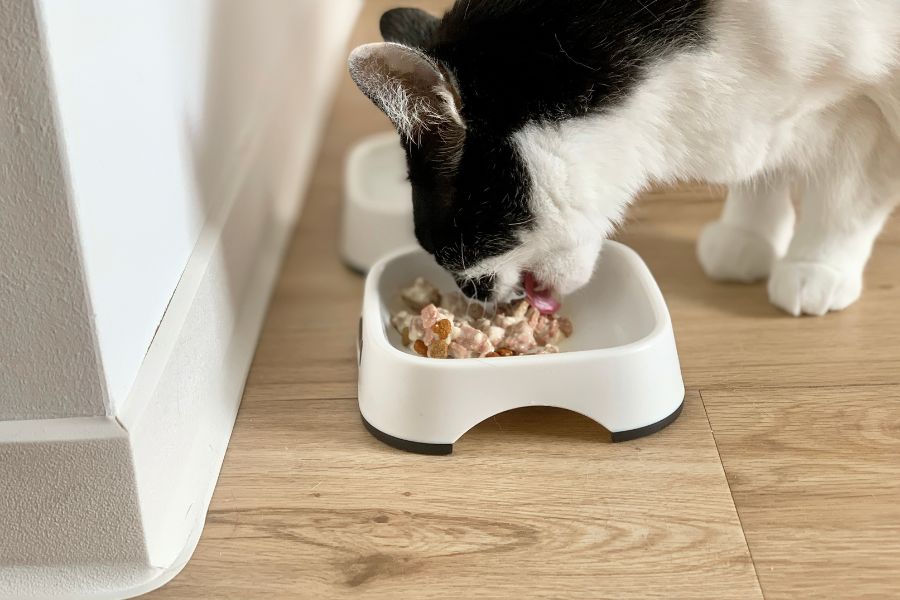
One of our sweet senior kitty clients lives with thyroid disease, high blood pressure, and kidney disease.
Like many senior cats, convincing her to eat consistently has become one of the biggest challenges in managing her health.
Over time, we’ve learned what works for her.
Some days she prefers her food warmed just enough to bring out the aroma.
Other days she’s willing to eat if we mix in a little Churu.
Sometimes crushed freeze-dried treats make all the difference.
Occasionally, simply changing to a different flavor is enough to spark her interest.
There have even been days when hand-feeding a few bites helped her get started until she decided to finish the rest on her own.
We’ve discovered that adding a few ice cubes to her water bowl—or offering fresh water in a different glass—sometimes encourages her to drink simply because it’s something new and interesting.
None of these ideas are complicated.
None came from a textbook.
They came from paying attention.
From learning her preferences.
From understanding that every senior pet is an individual with their own personality, routines, and little quirks.
Sometimes experience isn’t about knowing one more medical procedure.
Sometimes it’s knowing one more way to help a beloved pet feel comfortable enough to eat another meal.
A Different Kind of Pet Care: Helping Seniors Keep Their Furkids
One of the most meaningful parts of our work has very little to do with vacations.
Many of our clients are older adults who are still living independently or have transitioned into assisted living communities while keeping their beloved pets.
For them, those dogs and cats aren’t simply companions.
They’re family.
They’re comfort.
They’re purpose.
They’re often the reason to smile at the beginning and end of each day.
As the years pass, however, some of the physical tasks of pet ownership become more difficult.
Walking a dog safely.
Scooping litter boxes.
Lifting heavy bags of food.
Keeping up with multiple medications.
Cleaning accidents.
That’s where professional pet care can become something much bigger than a convenience.
Sometimes we’re visiting once a day.
Sometimes twice.
Sometimes three or more visits every single day, seven days a week.
Providing that level of care takes more than one dedicated caregiver.
It takes a team that communicates with one another.
A team that shares observations about how the pet is eating, drinking, moving, or responding to medications.
A team that notices when something has changed—not only with the pet, but occasionally with the pet parent as well.
Those notes and conversations allow everyone to provide the same consistent level of care, no matter which team member is visiting that day.
Because the goal isn’t simply opening the door, letting the dog outside, and leaving.
The goal is preserving routines.
Reducing stress.
Helping pets remain in the homes they know and love.
And helping the people who love them continue sharing their lives together for as long as possible.
Sometimes we’re caring for the person every bit as much as we’re caring for the pet.
The Emotional Side of Pet Care
One of the biggest concerns we hear from pet parents has nothing to do with feeding schedules or medications.
It’s guilt.
“Will my dog think I abandoned them?”
“Will my cat be lonely?”
“Are they going to be sad while I’m gone?”
The truth is, our pets absolutely know when we’re away.
The first one to three days are often the hardest.
Dogs may wait by the door.
Cats may spend more time hiding.
Some pets eat a little less enthusiastically.
Others seem quieter than normal or look around the house expecting Mom or Dad to walk through the door.
They’re adjusting.
They’re trying to make sense of a change in their routine.
The beautiful thing about pets, however, is that they thrive on consistency.
When meals continue arriving on time…
When medications are given on schedule…
When walks happen at the same time each day…
When someone comes through the door offering belly rubs, playtime, treats, or simply a quiet moment of companionship…
Most pets begin to settle into a new temporary routine.
Before long, many begin greeting their sitter with wagging tails, excited little dances, happy chirps, or loud purrs.
They learn that while Mom and Dad aren’t home yet, someone they know and trust is still showing up every day to care for them.
Nothing replaces their family.
But a consistent routine and a compassionate caregiver can make those days apart far less stressful—for both the pets and the people who love them.

So…Which Type of Pet Care Is Best?
After exploring all of these options, you may be wondering which one is the “best.”
The honest answer is…
It depends.
For some families, a trusted friend, neighbor, or family member is exactly the right choice.
For others, a boarding or daycare facility provides the exercise, socialization, and activity their dog absolutely loves.
An experienced independent pet sitter may be the perfect fit for pets who are happiest staying at home with one familiar caregiver.
And for families looking for consistency, specialized care, and built-in backup, a professional employee-based pet care company may provide the greatest peace of mind.
There isn’t one answer that fits every pet.
The right choice depends on your pet’s personality.
Their health.
Their daily routine.
Their comfort level.
And your own priorities as a pet parent.
The important thing isn’t choosing the option someone else recommends.
It’s choosing the option that allows your furkid to feel the safest, happiest, and most comfortable while you’re away.
Final Thoughts
Pet care has changed tremendously over the years.
Today’s pets are living longer, receiving better veterinary care, and becoming even more integrated into our families than ever before. As their needs have evolved, so have the people who care for them.
Whether you choose a trusted neighbor, a boarding facility, an independent pet sitter, or a professional pet care company, take the time to ask questions. Learn about experience, emergency planning, communication, insurance, and backup coverage. The more you understand your options, the more confident you’ll feel leaving your furkid in someone else’s care.
At the end of the day, great pet care isn’t measured by the number of walks, bowls of food, or medications given.
It’s measured by something much simpler.
Your pet feels safe.
They feel loved.
And you can enjoy your time away knowing someone is caring for a member of your family as if they were their own.
| Type of Care | Best For | Backup Available | Medical Care Capability | Socialization | Consistency of Care | Peace of Mind | Typical Cost |
| Friends & Family | Healthy, low-maintenance pets with simple routines and owners who have trusted people available. | ❌ Usually none | Limited; depends on the individual’s comfort and experience. | Home environment with familiar people. | Varies based on the person’s availability. | Good—if nothing unexpected happens. | $ |
| Boarding & Daycare | Social, active dogs that enjoy being around other dogs and adapt well to new environments. | ✔ Staff on site | Basic to moderate; varies by facility. Veterinary boarding may provide additional medical support. | ⭐ High interaction with other dogs. | High within the facility. | Good for owners whose dogs thrive in group settings. | $$ |
| Independent Pet Sitter / Online Platform | Pets happiest staying at home with individualized care from one caregiver. | Varies by sitter. Ask about emergency backup. | Varies greatly depending on the sitter’s experience and training. | Home environment; minimal interaction with other animals. | Can be excellent, but depends on one person’s availability. | Good when you’ve found an experienced, dependable sitter you trust. | $$ |
| Professional Employee-Based Pet Care Company | Families who value consistency, reliability, backup, communication, pets with medical needs, senior pets, busy professionals, frequent travelers, and anyone who wants complete peace of mind while they’re away. | ✔ Dedicated team with built-in backup | High. Trained caregivers, standardized procedures, and experience with many medications and chronic conditions. | Home environment with individualized attention tailored to the pet. | ✔ High. Team communication and standardized care help ensure consistency from visit to visit. | ⭐⭐⭐ Highest for owners who want to truly disconnect and enjoy their time away knowing there’s an entire team supporting their furkid’s care. | $$$ |
A quick note: More expensive doesn’t automatically mean better, and the least expensive option isn’t automatically the wrong choice. The “best” type of care depends on your pet’s personality, health, routine, and your own comfort level. A happy, healthy Labrador who loves every dog he meets may thrive at daycare, while a senior cat with kidney disease may be happiest staying home with experienced caregivers. The goal isn’t finding the most expensive option—it’s finding the right fit for your furkid, your budget and your peace of mind.
A Note About Franchises vs. Independent Businesses
Whether you’re considering a boarding facility, daycare, or an employee-based pet care company, one question is worth asking:
Is this location independently owned, or is it part of a franchise?
Neither answer is automatically better. Many franchises are owned by wonderful local business owners. Likewise, many independently owned businesses provide exceptional care.
However, it’s important to remember that individual locations can vary—even within the same franchise system. Ownership changes. Management changes. Staff changes. Company culture changes.
Before choosing any pet care provider, spend a few minutes researching both the local business and, if applicable, the franchise behind it.
Read recent Google reviews. Look for how the business responds to concerns. Visit the facility if appropriate. Ask about training, hiring practices, emergency procedures, and backup coverage.
Don’t just Google the business. Google the franchise, too. Read about its reputation, values, and support systems. Then evaluate the individual location and the people who will actually be caring for your furkid. The combination of a strong organization and a great local team is often what leads to the best experience.
At the end of the day, you’re trusting someone with a member of your family. A little research can go a long way toward giving you confidence in your decision.
