
There’s something incredibly special about caring for a super senior pet.
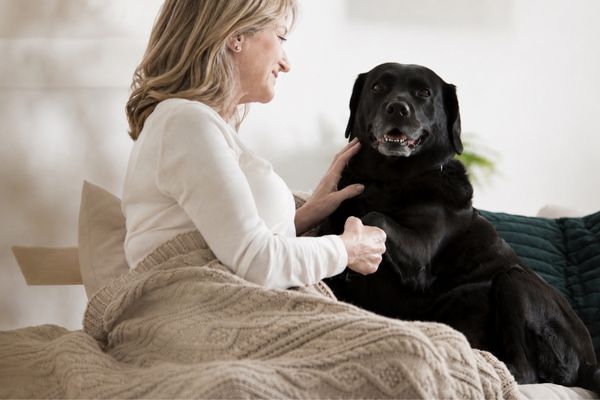
Their muzzle may be gray. Their steps may be slower. They may need a handful of medications every day or a little extra help getting around. But if you’ve ever loved a senior dog or cat, you know something else happens too—the bond grows deeper.
After more than 18 years of caring for senior furkids, we’ve learned that helping them thrive isn’t about keeping them busy every minute. It’s about keeping them comfortable, engaged, and enjoying the little things that make life worth wagging or purring for.
Here are some of the things we’ve learned along the way.
Pain Management: The Foundation of a Happy Senior
One of the biggest changes we see in super seniors is chronic pain.
Arthritis, sore muscles, stiff joints, and age-related changes can quietly rob pets of the activities they once loved. Sometimes what appears to be “slowing down because they’re old” is actually a pet trying to avoid pain.
The most important step is working closely with your veterinarian to develop a pain management plan. Whether that’s medication, supplements, laser therapy, rehabilitation, or another treatment, helping control pain can dramatically improve quality of life.
Don’t Stop Moving
It sounds backwards, but movement is one of the best things for many senior dogs.
Just like people with arthritis, slow, routine walks help loosen stiff muscles and joints, improve circulation, maintain muscle mass, and keep the brain engaged.
The key is consistency—not distance.
A slow 15-minute sniff walk every day is often far more beneficial than an occasional long adventure.
Senior Cats Need Exercise Too
Cats may not be asking for walks, but they still need mental and physical activity.
Many senior cats still enjoy hunting-style games—they just prefer them at a slower pace.
Some favorites include:
- Flirt poles or wand toys
- Plastic milk jug rings to bat across the floor (always supervise play)
- Soft toy mice
- Tossing treats for them to “hunt”
Keep sessions short and let your cat set the pace.
Even a few minutes can wake up their natural instincts.
Let Their Nose Do the Work
Not every senior wants to run.
But almost every pet enjoys searching for something delicious.
Sniffing and problem-solving provide wonderful mental enrichment without requiring lots of physical effort.
Try hiding treats:
- Around the house
- In the yard for dogs
- Inside empty boxes
- Under blankets
- In their bed
- Beneath favorite toys
- Inside snuffle mats
- In puzzle feeders or enrichment toys
There are wonderful enrichment toys available for both dogs and cats that encourage them to work for treats, keeping their brains active while letting them move at their own pace.
Sometimes finding a single hidden snack is the highlight of their afternoon.
Giving Medications Without the Daily Battle
Many senior pets eventually need multiple medications.
Unfortunately, many also become expert detectives.
The moment they taste a bitter pill, they’ll suddenly refuse their favorite treat.
The trick is using stronger flavors that completely hide the medication.
Some favorites include:
For Dogs
- Pill wraps
- Dog-safe peanut butter (always verify it contains no xylitol, which is extremely toxic to dogs)
- Crunchy peanut butter for hiding chewable medications
- Small pieces of lunch meat
- Prosciutto (our own persnickety dog insists this is the only acceptable camouflage!)
- American cheese
- Cheese cubes
- Spreadable cheese
- Spray cheese
- Plain yogurt
- Small amounts of whipped cream (again, check for xylitol)
- Liver sausage (use sparingly because of its high fat content)
For Cats
Many cats enjoy:
- Pill wraps
- Cheese
- Cream cheese
- Plain yogurt
- Small pieces of lunch meat
- Lickable cat treats
Our oldest cat surprised us by deciding cheese was the greatest invention ever.
Every pet is different, so don’t be afraid to experiment until you find their favorite.
Making Insulin & Other Injections Easier
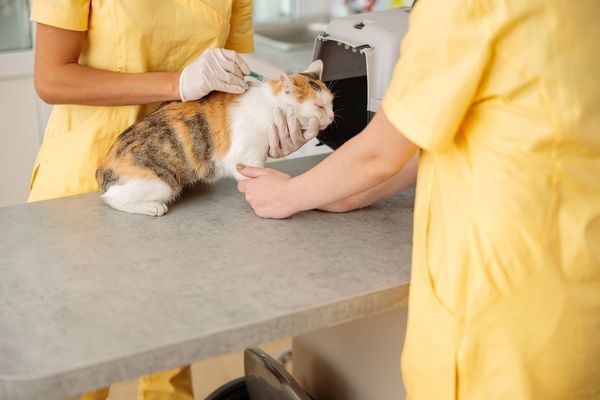
Many senior pets eventually require insulin or other subcutaneous (under-the-skin) injections.
If your veterinarian has instructed you to administer these at home, creating a “tent” or small pocket of skin by gently lifting the loose skin over the scruff or another veterinarian-recommended injection site can help make the injection more comfortable. Always follow your veterinarian’s instructions on the correct injection location and technique.
One of our favorite tricks is distraction.
While giving the injection, offer something irresistible like:
- Lickable dog or cat treats
- Lickable cheese
- A small amount of whipped cream (xylitol-free)
- Warmed canned food
Many pets are so focused on the special snack they barely notice the injection.
When Appetite Starts to Fade
One of the first changes we often notice in aging pets is a reduced appetite.
Sometimes it’s temporary.
Sometimes it signals pain or illness.
Either way, it deserves attention.
Some simple tricks that may encourage eating include:
- Adding warm water to kibble
- Using pet-safe bone broth (never human broth, which commonly contains onion and garlic that are toxic to pets)
- Warming canned food for about 15–20 seconds in the microwave to enhance its aroma
For many seniors, smell drives appetite more than taste.
Always let your veterinarian know if your pet is eating less, refusing food, or losing weight.
Your Senior Deserves More Than “Just Getting Old”
Growing old shouldn’t mean giving up joy.
Our senior furkids still love adventures—even if adventures now happen at a slower pace.
They still love treats.
They still love games.
They still love cuddles.
And most of all…
They still love spending time with the people who love them.
Helping Seniors Thrive While You’re Away
When you’re at work or enjoying a well-earned vacation, routine becomes even more important for senior pets.
Maintaining their medication schedule, keeping them moving with gentle exercise, encouraging enrichment, monitoring appetite, and recognizing subtle changes can make an enormous difference in both their comfort and their health.
After 18 years of caring for senior and super senior furkids, we’ve learned that it’s often the little details that matter most. A slower walk. An extra minute to encourage a meal. Knowing the trick that gets medications down without a struggle. Recognizing when something just doesn’t seem right.
Those small moments are where experience shines.
Whether your senior companion needs a midday potty break, medication administration, insulin injections, gentle walks, or simply someone who understands the unique needs of aging pets, our experienced team is here to help keep them comfortable, safe, and happy while you’re away—giving you the peace of mind that comes from knowing they’re receiving the same loving care you’d give them yourself.
A quick note: This article is meant to share tips we’ve learned while caring for senior pets over the years. It is not a substitute for veterinary care. Always work with your veterinarian regarding pain management, medications, appetite changes, mobility concerns, or any changes in your pet’s health.
